Table of Content
Aside from that, the real nails will outgrow the fake ones. It will end up messy and will crack after a long time. Time will come you need to remove it whether you like it or not. This method is easier than the dental floss method.
Nail clippers, nail file, acetone nail polish remover, petroleum jelly, cotton balls and aluminum foil. While acetone works very effectively to remove acrylic nails, but it is very harsh and isn’t good for your nails or skin. Another great method for the removal of acrylic nails is by using dental floss.
The Latest In Skin and Beauty
They will start to emerge, as you will see. Put the cotton ball in the cuticle oil completely if you want to take action quickly. If you are in a hurry to take your acrylic nails off, this is one of the fastest ways to do it. All you have to do is fish out a laminated business card from your purse. After removing your nails, wait for a week to let your real nails restore balance before putting on the next pair of acrylic nails. Different ways for the removal of acrylic nails at home.

Scrub it with a rag, scouring pad, or brush and wipe away the residue. Lightly respray the area, wait 15 minutes, and then wipe the area with a fresh cloth dampened with water. Let the area dry overnight and inspect it the next day.
Trending Articles
Every time you remove your acrylic nails, allow your natural nails to stay for at least ten days before opting for new nails. The said period will give your nails enough nourishment and keep them healthy. After all, using too many chemicals on your nails is a big no. Acetone is your best savior when it comes to removing acrylic nails at home. This strong liquid-based chemical dissolves the acrylic nails and helps you remove them easily.

All you need is a cuticle stick and dental floss. You will also need someone to help you with this method. How to remove acrylic nails with acetone or without acetone? Here we are sharing both the methods for removal of acrylic nails one which includes the use of acetone and the other which don’t. With the explanation of careful following the procedure along with precaution details.
⚠Imperative Tips To Be Followed In The Course Of Removing Acrylic Nails
You can try filing it off, but beyond that I wouldn't suggest skipping the acetone. Use a back and forth motion to work the floss under the acrylic. Move the flosser back and forth like you would to floss your teeth. Hold the acrylic nail down with 1 finger to keep it still as you do this. Continue working the floss forward until you reach the end of your natural nail and the acrylic nail comes off. Press a flosser against your natural nail and move it under the acrylic nail.
Loosen your fake nail with a cuticle pusher. Stick the end of a cuticle pusher underneath the gap between your fake nail and your real nail. Gently pry the nail upward to create a small gap to work with. The acetone will break down the acrylic or gel polish on your nails, making it much easier to scrape off. For gel nails, make sure that the acetone-soaked cotton is covering the entire nail. Be careful not to file down to your natural nails, since this could hurt.
Home Remedies For Grass Fungus
Maintain maximum moisture levels in your nails. You may be not going to the dentist, but you will be using a lot of dental floss! This acrylic removal method does not require acetone, but involves using a lot of dentist recommended dental floss to pick off the nails. If your nails are still too short this process may be a bit painful for you, so heads up, youve been warned.

Kristin Pulaski is a Professional Nail Artist and the Founder of Paintbucket, a self-owned and operated nail salon based in Williamsburg, Brooklyn. She has over five years of experience running Paintbucket and is licensed as a nail technician. Paintbucket offers nail art manicures, pedicures, and soft gel extensions along with customized packages for wedding and bridal parties. She holds a BA in Managerial Science from Manhattan College. This article has been viewed 8,668,277 times.
Let sit on the surface for minutes, and then scrub the walls with a brush to remove any mildew. According to ServiceMaster Restoration and Cleaning, the mild acid in vinegar kills about 82% of known molds and can help prevent future outbreaks. Studies have shown that white vinegar kills 82 percent of mold spores.
Wrap the cotton balls with a piece of aluminum foil. With a little bit of patience and a lot of hydration, you'll be back on the road to long, gorgeous natural nails in no time. "Then, of course, wash your hands hard," she says. If you want to take things a step further, Amy Le suggests placing a hot towel on top of your wrapped foils.
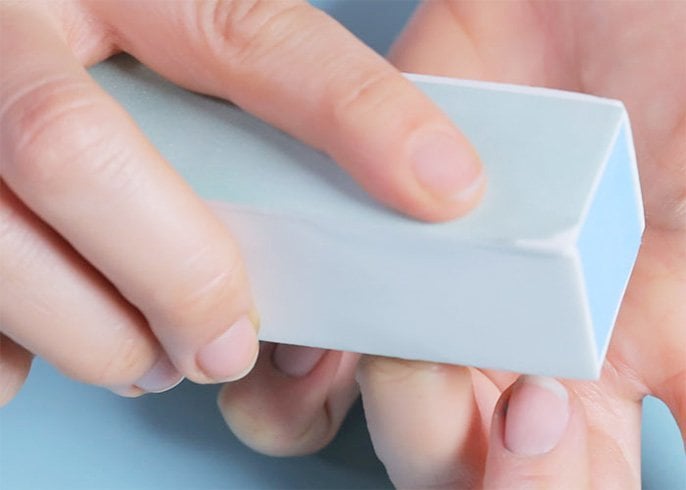
Buff off the rest of the smaller pieces with your nail buffer. If you are planning to follow the procedure including acetone, be very careful in handling, do not microwave acetone or even bring it near to heat. As acetone is highly inflammable substance it burst out fire instantly. Now wash your hands properly and moisturize your nails to give a soothing effect. File your nails with a buffing tool carefully from the course side of the tool. You might also want to consider opening a nearby window or setting up a fan, as the acetone will have a strong scent.
All you need is a bowl, nail clipper, tweezers, and acetone-free cortex polish remover. Do not repeat the acrylic nail implementation frequently, as it will damage your natural nail bed. Must give a week or two difference between the application. Just after removing acrylic nails scrape off the remaining glue. Pull the nail gently with tweezers when you feel the acrylic nails are little bit loosened.
Remove using removal kit:
Technically, acrylic nails are a synthetic product made from a combination of monomers and polymers. These materials make it easier for the acrylics to bond to your natural nail. If it has been a while, the tips of your natural nails must have grown out.